Nothing But The Whole Truth

Last week, we met up with Samarth Bansal, the person who oversees content and creative at The Whole Truth Foods—a brand we’ve been quietly admiring from afar.
The office is on the 4th floor of an unassuming building. But the moment the elevator doors open, you know you’ve entered something different. Maroons and blues (yes, their brand colours) cover the walls. The space is open, sunlit, unapologetically cheerful. There’s a kitchen being built in the adjoining section, and an open rooftop where you can walk around and breathe. In Andheri. In Bombay. That alone tells you something about how they think.
The journalist who switched sides (sort of).
Samarth Bansal isn’t your typical brand content head. He’s a journalist—an investigative one at that. Before joining The Whole Truth, he was the kind of reporter who dug deep, asked uncomfortable questions, and held power accountable.
Now, he does the same thing. Except he’s holding an entire industry accountable, and the company he works for pays him to do it.
Guiding us to one of the many conference rooms with smart copy and puns highlighting each door, he told us his story. About struggling with weight. About discovering The Whole Truth. About reading a protein bar label and, for the first time, understanding every single ingredient. About reaching out to the founder, Shashank Mehta, not as a customer, but as someone who’d found something rare: a brand that didn’t lie.
They hit it off. And Samarth joined—not to do marketing, but to do what he does best: seek the truth and tell it beautifully.
Two words govern everything they make.
The brand is built on two pillars: Truth and Beauty.
Truth means radical transparency. We’re not talking about the sanitized, PR-approved kind. The kind where if they have a board meeting one day and a town hall the next, everyone speaks the same language. The kind where there’s no version 1 for investors, version 2 for customers, and version 3 for the press.
“If we meet people like you,” Samarth said, gesturing at us, “or if we meet our community, or if Shashank is on LinkedIn—we talk about what’s working and what’s not the same way. There’s no leaked information because there’s nothing to leak. It’s already out there.”
We sat with that for a moment. In an age where brands have crisis management teams on speed dial, here’s a company that’s built its entire foundation on not having anything to hide.
Beauty is the other pillar. Not beauty as in aesthetics (though their design is stunning). Beauty as in craft. As in: everything they create—from the packaging of each product to the copy on a Blinkit listing—should be without flaws.
“If it’s not beautiful,” Samarth said simply, “we don’t put it out.”
They get wedding invitations from customers!
Here’s something that made us smile:
People write letters to The Whole Truth. Actual handwritten letters. About how a protein bar helped them through a tough fitness journey. About how discovering clean food changed their relationship with their body. About how they met their partner at a TWT community event.
And The Whole Truth team writes back. By hand.
Samarth told us they’ve started getting wedding invitations. From customers who met through the brand’s WhatsApp fitness community. From people who consider TWT not just a part of their pantry, but a part of their story.
When was the last time you got a wedding invite from a customer? When was the last time a brand was part of someone’s love story?
Small rooms, not stadiums.
They have a thriving WhatsApp community—not for selling, but for connecting. Members discuss meal plans, share fitness goals, organize meetups, suggest weekend activities. The brand doesn’t lead these conversations. It listens.
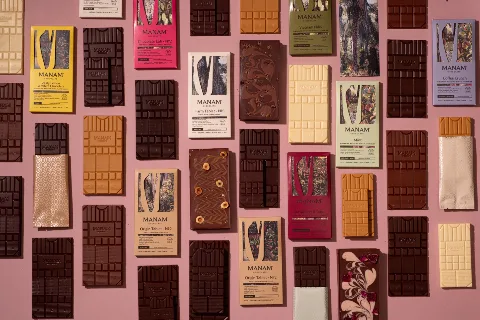
They host tiny, intimate events. Chocolate tastings at Blue Tokai. Not to push product. Not to get Instagram content. Fatema was at Boojee (a new and buzzing Bandra cafe) that afternoon and spotted TWT whey protein prominently listed as an ingredient in their smoothie menu—she assumed it was a brand partnership. We checked with Samarth. Purely organic. The café just liked the product so much they put it on their menu. Just like that.
So yes, this wasn’t about creating content. It was about creating an experience people remember. To make people say, “I went to this thing once, and it was lovely”—and oh, by the way, it was hosted by a food brand.
Samarth put it perfectly: “We want them to remember the experience more than anything else.”
A newsletter with zero KPIs.
Then there’s Samarth’s newsletter, Truth Be Told—a deep-dive, investigative journalism project funded by a food brand. If you haven’t subscribed to it yet, you might want to. It’s the kind of stuff you save to read later, pass on to friends, actually use.
Here’s the remarkable part: Shashank, the founder, made it clear from day one that the newsletter would have no KPIs. No sales targets. No growth metrics tied to conversions.
“All we need to do,” Samarth said, “is speak the truth and help readers seek the truth.”
Both of us were truly surprised by this. No KPIs?
“None,” he confirmed. “Editorial freedom. Full stop.”
This is almost unheard of. Most brand content teams are measured on leads, conversions, engagement rates that ladder up to revenue. Here’s a company that said: We’re going to fund journalism. We’re going to let it be actual journalism. And we’re not going to corrupt it with sales goals.
The result? A newsletter people want to read. Not because it’s selling them something, but because it’s teaching them something.
When they fail, they announce it.
We talked about taste. Most food brands lead with taste. The Whole Truth doesn’t.
“Taste should be a given,” Samarth said. “If it doesn’t taste good, it doesn’t go to market. But we’re not going to scream about it. We’re going to scream about what’s in it.”
They recently discontinued a whey protein flavor. Not quietly. Publicly. They told their community why they were doing it. They explained what didn’t meet their standards. They were honest about a failure.
And their community loved them more for it.
That’s the paradox of The Whole Truth: the more vulnerable they are, the stronger they become.
Four words they actually live by.
Samarth mentioned the brand is built on four pillars:
Transparency—Full disclosure, always
Expertise—Know your craft deeply enough to teach it
Consistency—Same message, everywhere, every time
Community—Not followers. Not customers. Community.
These pillars help them decide what to scale and what to leave as is. What to grow aggressively and what to nurture slowly. They’re not trying to be everything to everyone. They’re trying to be something real to the people who care.
Building for a century, not an exit.
Shashank has said it repeatedly: “We want to be a company for 100 years.”
Not a decade. Not until the next funding round. Not until an exit.
A century.
That kind of thinking changes how you operate. It means you can’t burn bridges. You can’t cut corners. You can’t lie, even a little, because lies compound and collapse.
It means you write handwritten letters. You invite criticism. You kill products that don’t meet your standards. You build a community, not an audience.
It means you accept that growth will be slower—but the foundation will be unshakable.
Fatema and I left that office buzzing. Not because we'd pitched them anything (we didn't). Not because we'd closed a deal (we hadn't). But because we'd met someone, and by extension, a brand—that reminded us why we do what we do.
About the author
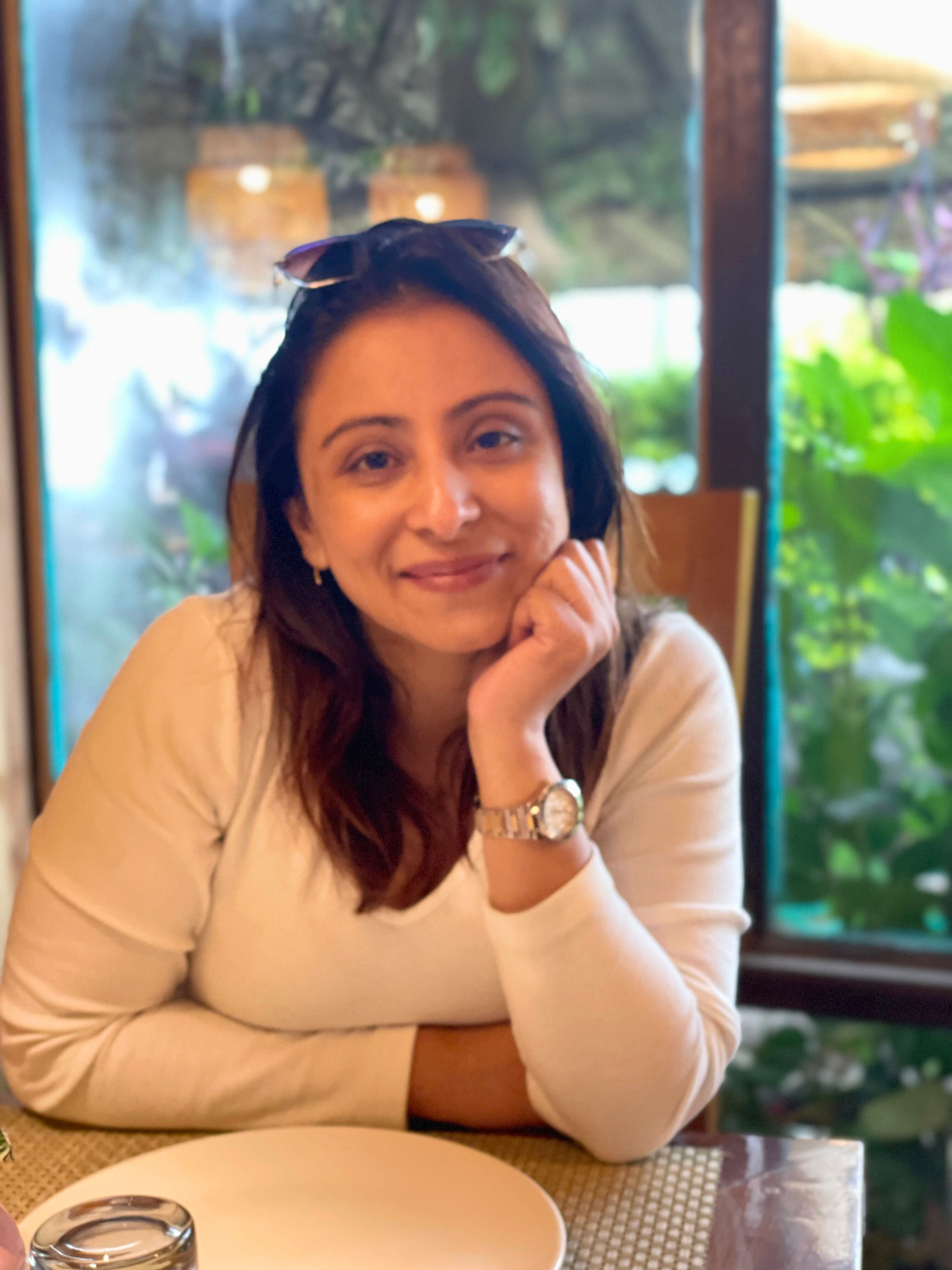
Fatema Hanif
She writes. Poetry, essays, long meandering things about elevator silence and the weight of a brown paper bag. She travels and comes back with deep existential thoughts instead of just photos. She'll sit with a protein bar in one hand and a pen in the other and not do anything for twenty minutes and call it research. That's what she brings to brands too. The willingness to sit with something long enough to notice what everyone else walked past. She calls it slow marketing. It’s a bit meta (no pun intended).
Stay in the loop
New pieces, when they're ready.
No newsletters. Just a note when something worth reading goes live.